Drones have become transformative tools in modern agriculture, particularly for crop monitoring. Equipped with advanced sensors and imaging technologies, drones provide farmers with detailed, real-time data to optimize crop health and productivity
Key Applications:
Crop Surveillance: High-resolution cameras capture aerial images to monitor plant health, detect pest infestations, and identify disease outbreaks early.
Precision Agriculture: Multispectral and hyperspectral sensors analyze crop conditions, soil moisture, and nutrient levels, enabling targeted interventions.
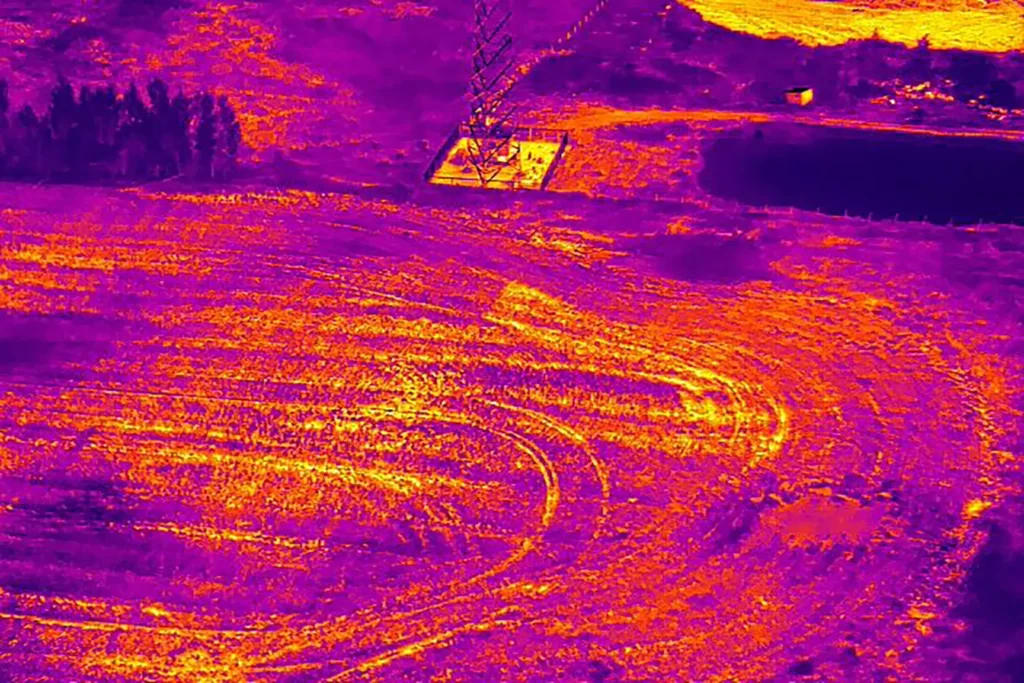
Stress Detection: Thermal sensors detect water stress and irrigation inefficiencies by measuring canopy temperature variations.
Yield Estimation: Drone data helps estimate crop yields by assessing growth patterns and plant density.
Field Mapping: LIDAR and 3D mapping technologies create accurate topographical maps for better field management.
Benefits:
Increased efficiency and reduced labor costs.
Enhanced accuracy in detecting crop issues.
Timely decision-making for interventions.
Sustainable resource management through precise input application.
Drones are thus pivotal in advancing sustainable, productive, and resilient agricultural practices worldwide.